The right storage unit size depends on how much you are storing, how you plan to load the space, and how often you need to get in and out. Get this decision right before you book and you will avoid paying for space you do not use - or cramming belongings into a unit that is too small to work with.
The standard UK size guide at a glance
UK storage facilities measure units in square feet of floor space, though the usable volume is higher once you account for ceiling height - most indoor units run to around eight feet tall. The sizes below are a practical starting point, not a guarantee, as dimensions vary between operators.
- 25 sq ft (roughly 5 ft x 5 ft): A large walk-in wardrobe equivalent. Suitable for seasonal items, a dozen or so boxes, sports equipment, or student belongings between terms.
- 50 sq ft (roughly 5 ft x 10 ft): Comparable to a large garden shed. Holds the contents of a studio or small one-bedroom flat when items are stacked sensibly.
- 75-100 sq ft (roughly 7.5 ft x 10 ft to 10 ft x 10 ft): Equivalent to a small single garage. Covers the contents of a one or two-bedroom flat, including beds, sofas, a dining table, appliances, and boxes.
- 150 sq ft (roughly 10 ft x 15 ft): A standard single garage. Comfortably handles the contents of a two or three-bedroom house, including bulky furniture.
- 200 sq ft and above: Suited to larger family homes, full office contents, business stock, or long-term commercial use.
These are guidelines only. Every household accumulates a different volume of belongings, and the way you pack makes a significant difference to the unit size you end up needing.
Why most people underestimate how much space they need
The most common mistake is picturing everything spread flat on the floor rather than stacked. Storage units are designed to be loaded vertically as well as horizontally, so mattresses, wardrobes, and sofas stand on end to free up floor area. Even so, many people find they need one size larger than their initial estimate, particularly once they start adding the contents of cupboards, lofts, or garages that they had not originally counted.
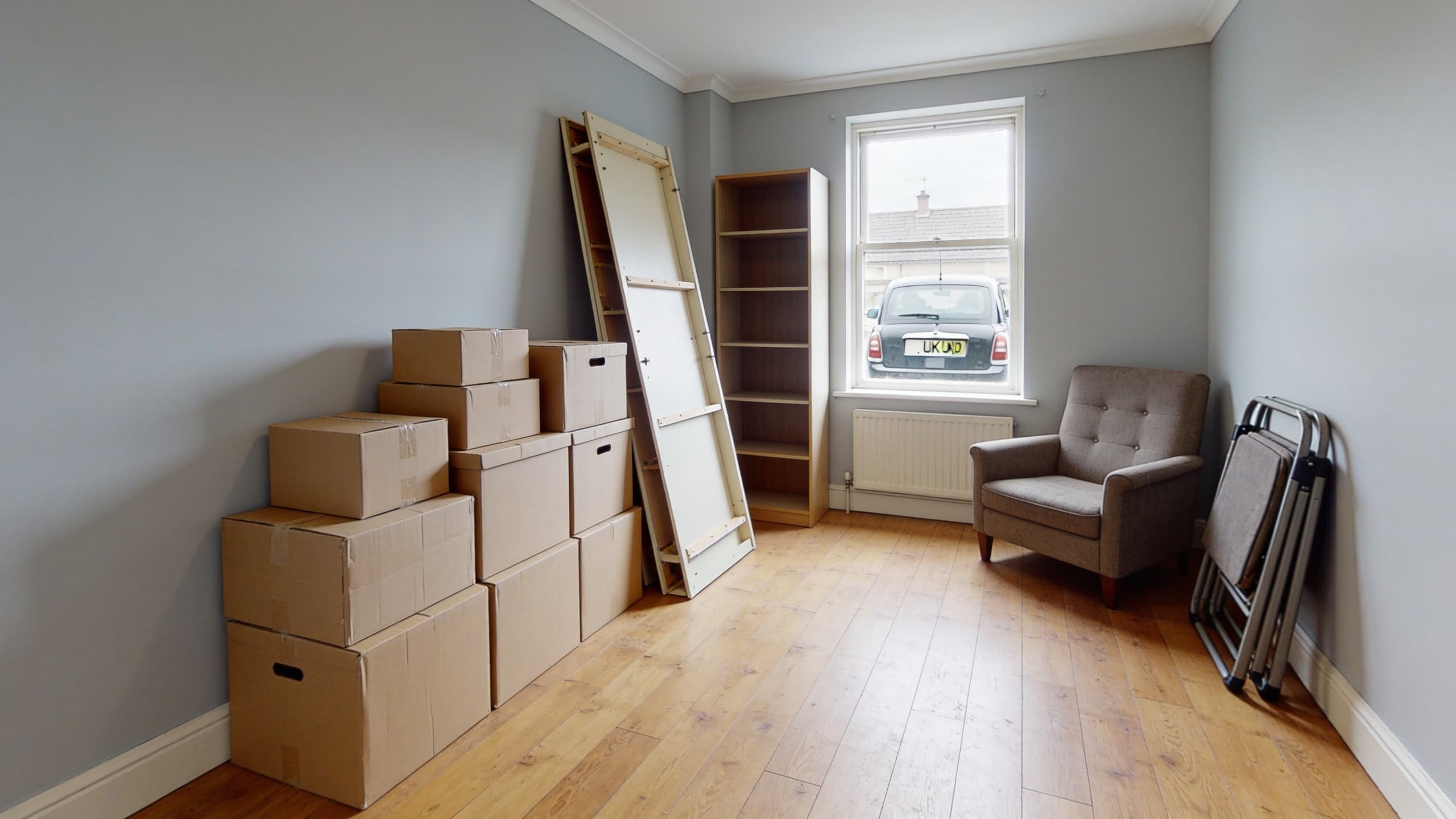
A practical way to estimate is to walk through your home or office room by room and note each item separately. Do not forget the contents of kitchen cupboards, wardrobes, and utility rooms - these are the areas most often left off a first estimate.
Access frequency changes the size you need
If you plan to visit your unit regularly - to retrieve files, rotate stock, or collect seasonal items - you will need a unit large enough to leave a working corridor inside. Packing a unit tightly from floor to ceiling makes sense for long-term storage where you will not need to reach anything for months, but it becomes impractical the moment you need to find something at the back.
For business storage in particular, the ability to move around inside the unit is often just as important as the total volume. Firms storing archived documents, tools, or rotating stock will usually need more floor space per cubic foot of goods than a household doing a one-off house move.
If you are searching for storage options across the UK, you will find both indoor self-storage units and outdoor container storage listed - each with different size conventions and access arrangements worth comparing.
Indoor units, container storage, and other formats
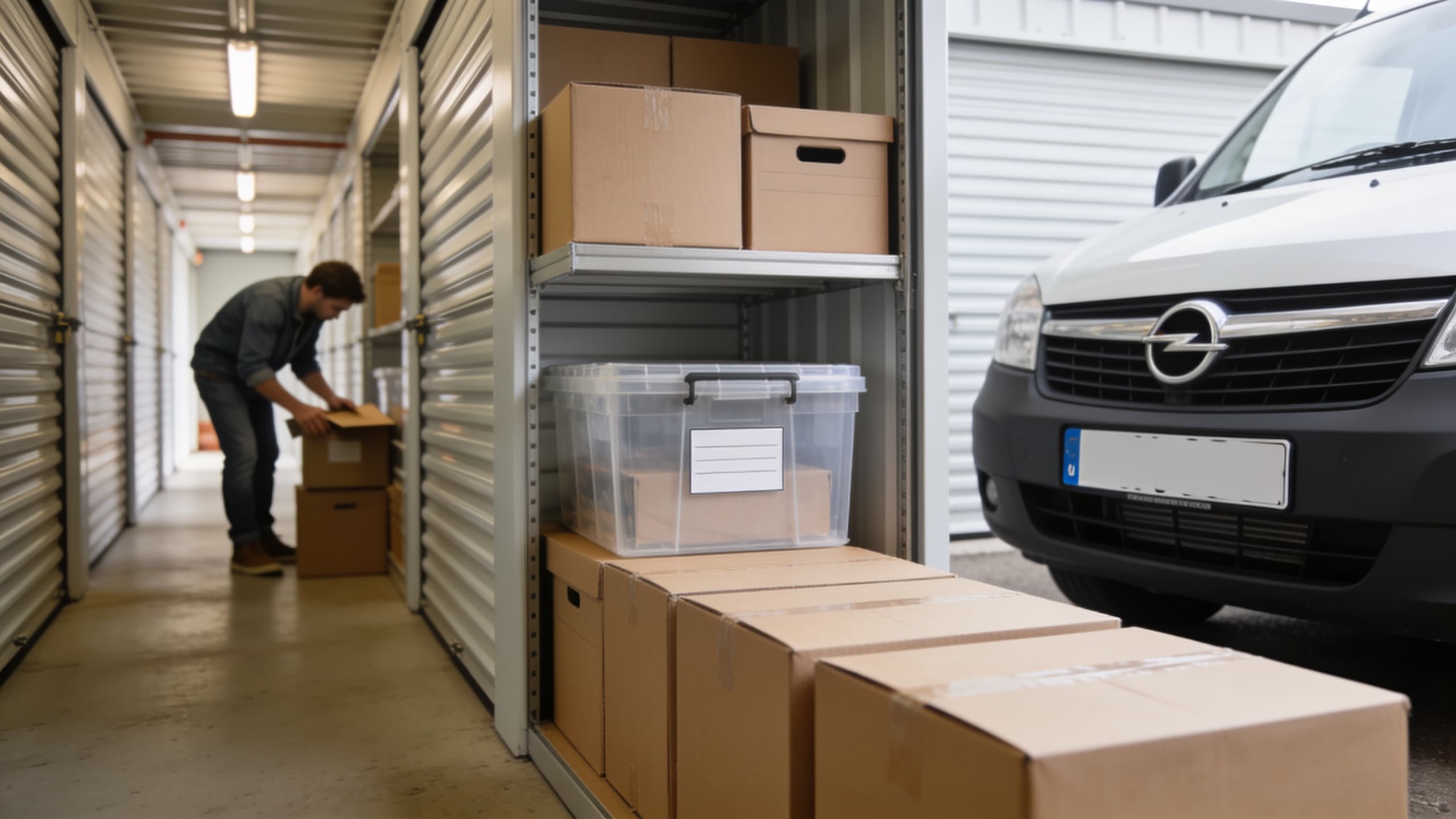
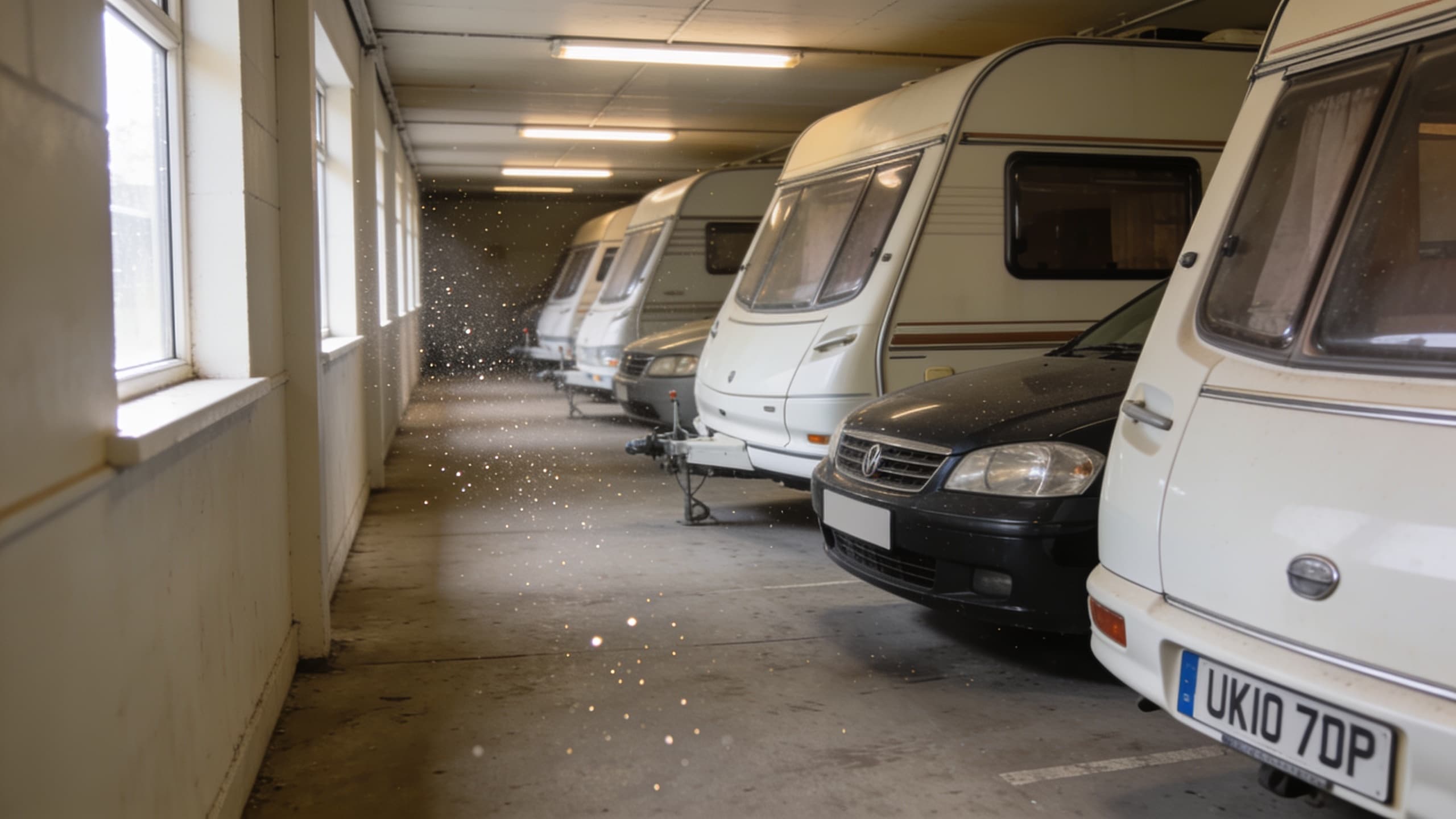
Not all storage is measured or structured the same way. Indoor self-storage facilities offer climate-controlled rooms in a range of sizes and typically provide lift or trolley access between floors. Container storage - often found at outdoor sites - uses standard shipping containers, commonly 20 ft or 40 ft in length, and suits bulkier loads or business use where temperature control is less critical. Caravan and vehicle storage uses designated bays rather than enclosed units.
The format affects both the sizing options available to you and how the ongoing rate is calculated, so it is worth being clear with the operator about what you are storing before comparing quotes. For example, storage near Chichester includes facilities offering both indoor units and outdoor container options, which serve different needs and budgets.
Checklist: what to confirm before you book
Use this checklist when speaking to any storage company to make sure the unit you choose actually fits your needs:
- Exact internal dimensions - floor area and ceiling height, not just the square footage label.
- Access arrangements - can you drive directly to the unit door, or will you carry items along corridors or use a lift?
- Minimum hire period and notice to vacate - some facilities require a month's notice even on rolling contracts.
- What is included in the quoted rate - insurance, a padlock, and administration fees are sometimes charged separately. Always ask for a full breakdown.
- Flexibility to upgrade or downsize - good operators allow you to move to a different unit size if your needs change during the rental period.
- Security arrangements - CCTV coverage, perimeter fencing, individual unit locks, and whether the site is staffed or unmanned.
- Introductory offer terms - a lower opening rate may increase significantly after the first few weeks, so always ask what the standard ongoing rate is.
Costs vary considerably by location, unit type, and operator. What drives the rate includes the facility's location relative to a town or city centre, the format of storage on offer, the level of security and amenity provided, and demand at the time of booking. Always confirm the current rate and any additional charges directly with the operator rather than relying on a general estimate. Facilities in London and the South East will typically sit at a different price point to those in areas such as Peterborough, even for comparable unit sizes.
Find a local storage firm on GetBrent
GetBrent lists self-storage facilities, container storage sites, caravan storage, and business storage operators across the UK. Compare local firms, check what unit sizes and formats they offer, and contact them directly to confirm availability and get an accurate quote. There are no middlemen and no booking fees - just a straightforward way to find the right storage near you.