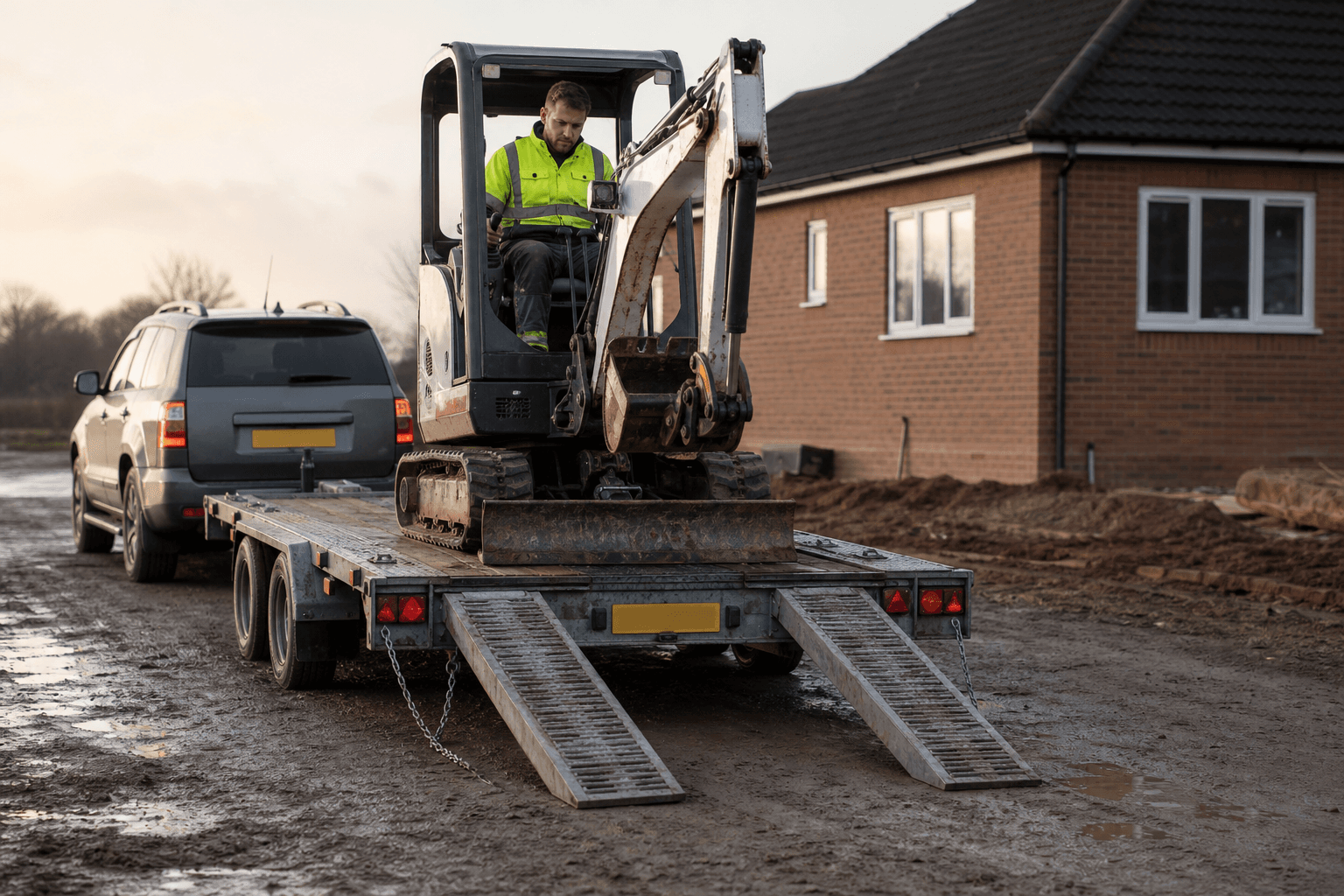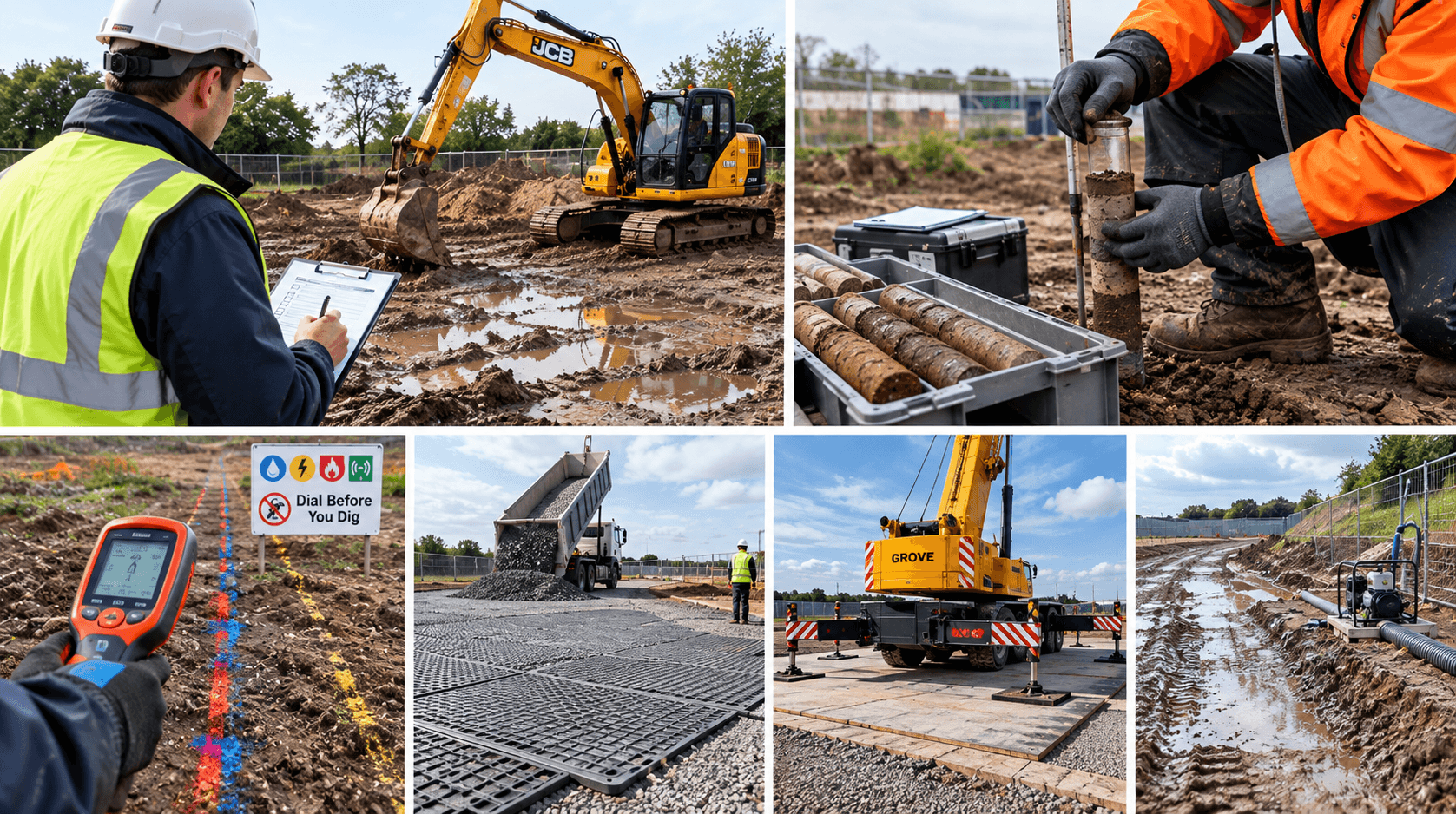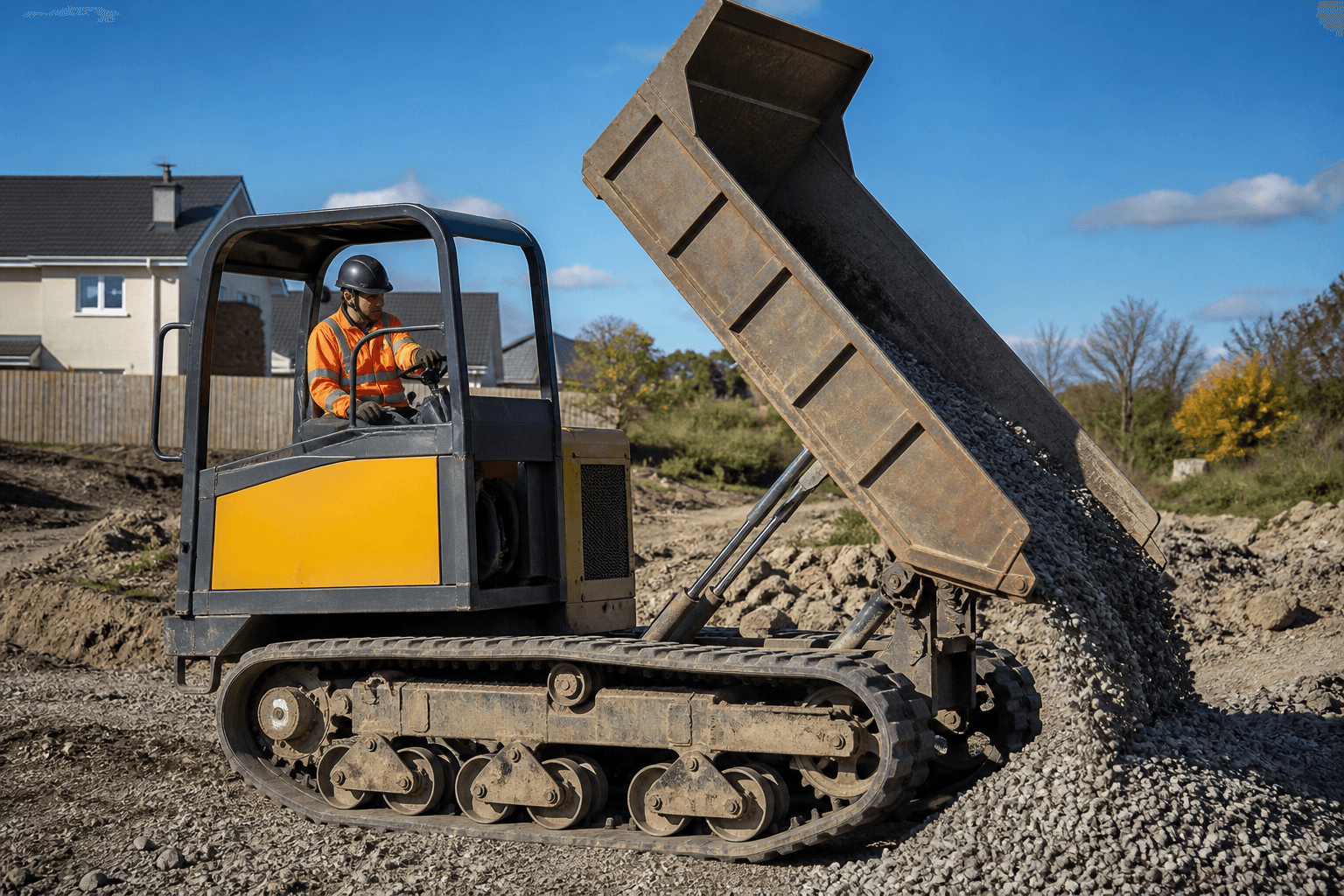
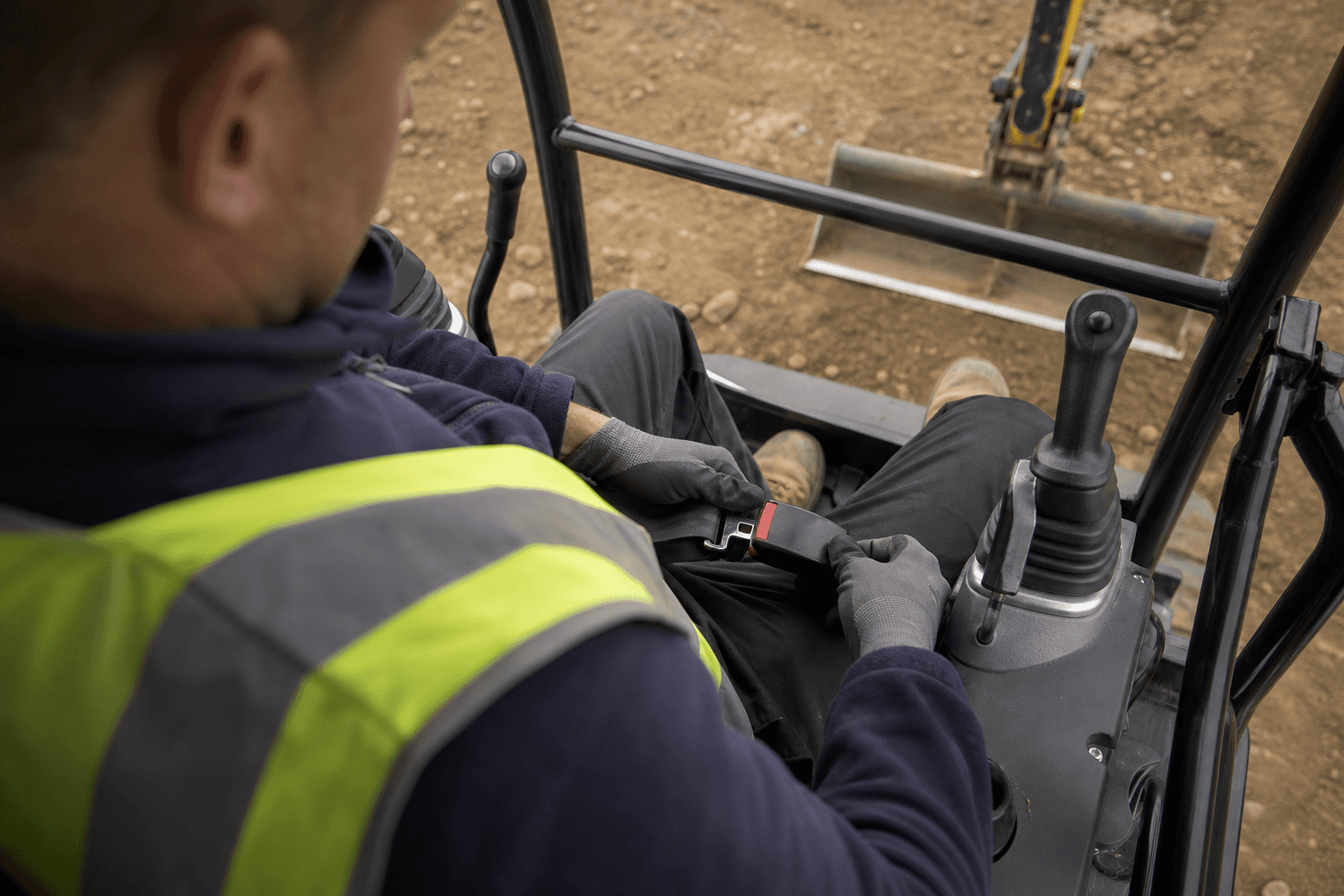
The hire company and the person who hires the machine each have safety duties for different parts of the hire. The hire company is responsible for the equipment it supplies, while the hirer is responsible for how it is used on site. The split is set out in HSE guidance under the Provision and Use of Work Equipment Regulations 1998 (PUWER) and the Lifting Operations and Lifting Equipment Regulations 1998 (LOLER).
What the hire company must do
People who hire out equipment for use at work carry ongoing health and safety duties for what they supply, whether or not the kit is used at work. Those duties include keeping the machine maintained, giving the hirer information on how to operate it, and, for some equipment, having it thoroughly examined before it is first made available. HSE treats hire firms as suppliers under section 6 of the Health and Safety at Work Act, which means they must carry out pre-hire testing and inspection so far as reasonably practicable. Hire firms are responsible for making sure equipment is safe to use at the point of hire.
What falls to you as the hirer
HSE states that the safe use of hired equipment is the responsibility of the person who hires it. HSE says the hire firm should make reasonable attempts to find out what the equipment will be used for and advise on how it should be used. Hire firms cannot normally take on day-to-day and other pre-use safety checks unless the hire agreement says they will. Those checks are the user's job by default, so read the agreement carefully. PUWER places duties on employers, the self-employed and those who control work equipment, and HSE describes the scope of work equipment as extremely wide.
Lifting equipment and thorough examinations
Some hired machines are lifting equipment, and LOLER then adds a specific examination duty. Under LOLER, lifting equipment must be thoroughly examined by a competent person at set intervals, with a shorter interval for equipment used to lift people or lifting accessories. Those intervals are at least every 6 months for lifting persons or accessories, and at least every 12 months for other lifting equipment, or as set by an examination scheme. HSE notes that the user may organise periodic thorough examinations, which should be agreed in writing, particularly for long-term hire. Ask the firm to show you the current examination report before the machine leaves the yard, and do not assume it has been done.
Checklist before the machine arrives
- Ask the firm to confirm whether the machine is lifting equipment and to show you the current thorough examination report.
- Check the hire agreement for who carries out day-to-day and pre-use checks, and who arranges any examinations during a longer hire.
- Tell the firm what the machine will be used for, including ground conditions and the job itself, so it can advise on safe use.
- Confirm whether the hire is self drive or operated, and who is responsible for the operator's training and supervision on your site.
- Walk around the machine at delivery and report any defects to the firm before work starts, so the record shows what was there on day one.
Use GetBrent to compare plant hire companies in London and to browse the wider plant hire category. Once you have shortlisted firms, contact them direct and ask for the examination paperwork and the terms that split duties between you before you book.