
Advice and guides
Plain answers for UK homes and businesses, checked against official sources.
Guides for
Builders and tradespeople (32)
Clear filters
Can You Cancel a Tradesperson After Agreeing Work?
You can usually cancel a tradesperson's work within a 14-day cooling-off period, but the rules depend on where you agreed the job and whether the work has started. Citizens Advice explains that you…

Damp Treatment Options Compared
The right damp treatment depends on what is causing the damp, so the first step is identifying the cause before any work is agreed. Condensation, penetrating damp, a faulty damp-proof course and…

Can a Tradesperson Ask for a Deposit Before Work?
A trader may ask for a deposit before work starts, and the cancellation guidance refers to deposits being held if you cancel. This article explains when a deposit is reasonable, how to pay it safely,…

Best Wet and Dry Vacuums for Trades
Choosing a wet and dry vacuum for trade work comes down to two checks: whether its dust class suits the material you are collecting, and whether it is kept electrically safe. The Health and Safety…

What You Can Hire to Treat Damp, and When to Call Someone
You can hire equipment to help treat damp, but only once the cause is known, because the cause decides who is responsible and what work is needed. Hire kit can support a repair, but it cannot replace…
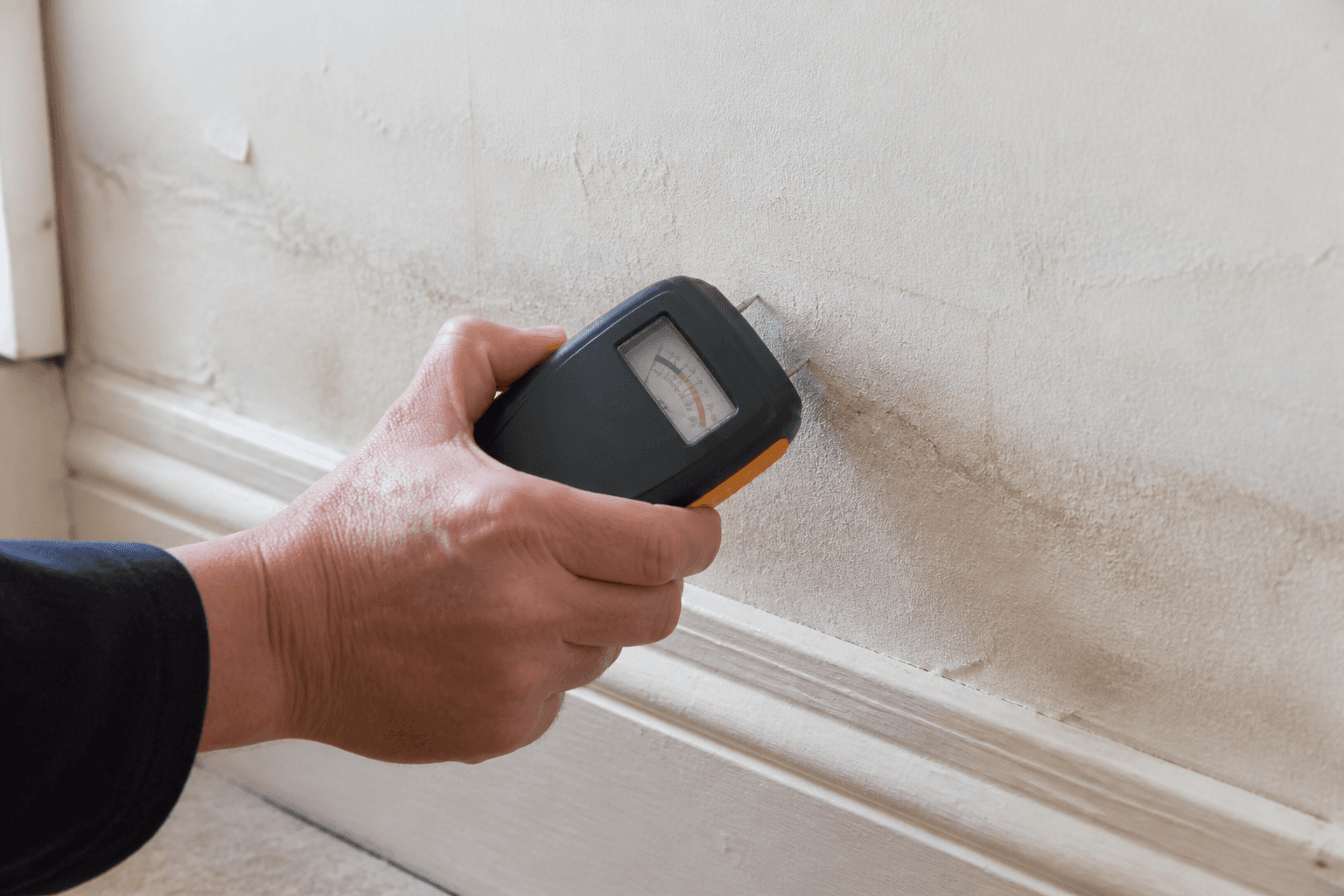
Rising Damp, Penetrating Damp and Condensation Told Apart
Rising damp, penetrating damp and condensation can all leave wet-looking patches on a wall, so appearance alone rarely settles the question. Rising damp is usually linked to a failed damp-proof…

Lawn Mower Types Compared
Lawn mowers fall into five broad categories - cylinder, rotary, hover, ride-on and robotic - and the right choice depends on lawn size, terrain, the finish required and, for trade users, the safety…

Do You Need a Written Contract With a Tradesperson?
You are not legally required to have a written contract with a tradesperson, but Citizens Advice strongly recommends getting one for any medium or large job. A contract does not need to be in legal…

Does Your Tradesperson Need Insurance?
Public liability insurance is not a legal requirement for most tradespeople in the UK, but it is widely considered essential protection for you and for them before any work starts on your home.

Pitched Roof Materials Compared
The four main covering materials for a pitched roof in the UK are natural slate, clay tiles, concrete tiles and fibre-cement slate. Each performs differently in terms of lifespan, structural load,…

How Many Quotes Should You Get From a Tradesperson?
Getting at least three quotes before hiring a tradesperson is the standard, widely accepted practice across the UK home improvement sector. Three quotes give you enough data to gauge a fair market…
Does Your Tradesperson Need to Be VAT Registered?
No - a UK tradesperson does not have to be VAT registered unless their taxable turnover exceeds the current HMRC threshold of £90,000 in a rolling 12-month period. A sole trader, partnership or…
Specs and comparisons
Check the numbers before you hire or buy, then see who near you has one.
1022 product fact sheets
Weights, sizes, power and payloads for the trailers, plant, tools and vans UK firms hire and sell.
259 makes
Who builds what, where they are from and which models they are known for.
Size guides
Skips, storage units, containers and vans: the dimensions and what fits in each.
Side-by-side comparisons
Two models or sizes, every shared figure lined up and the differences spelled out.
Popular comparisons