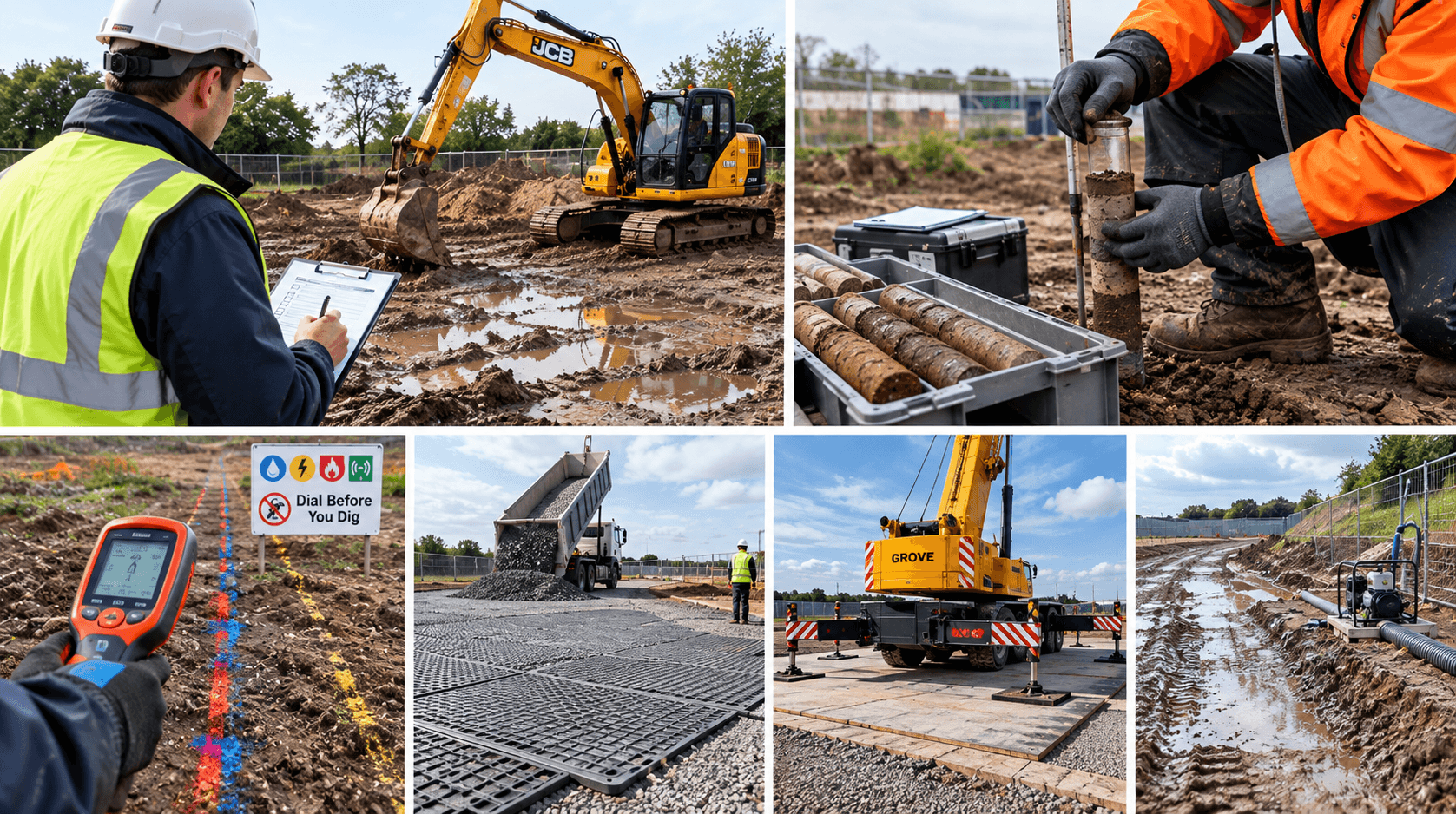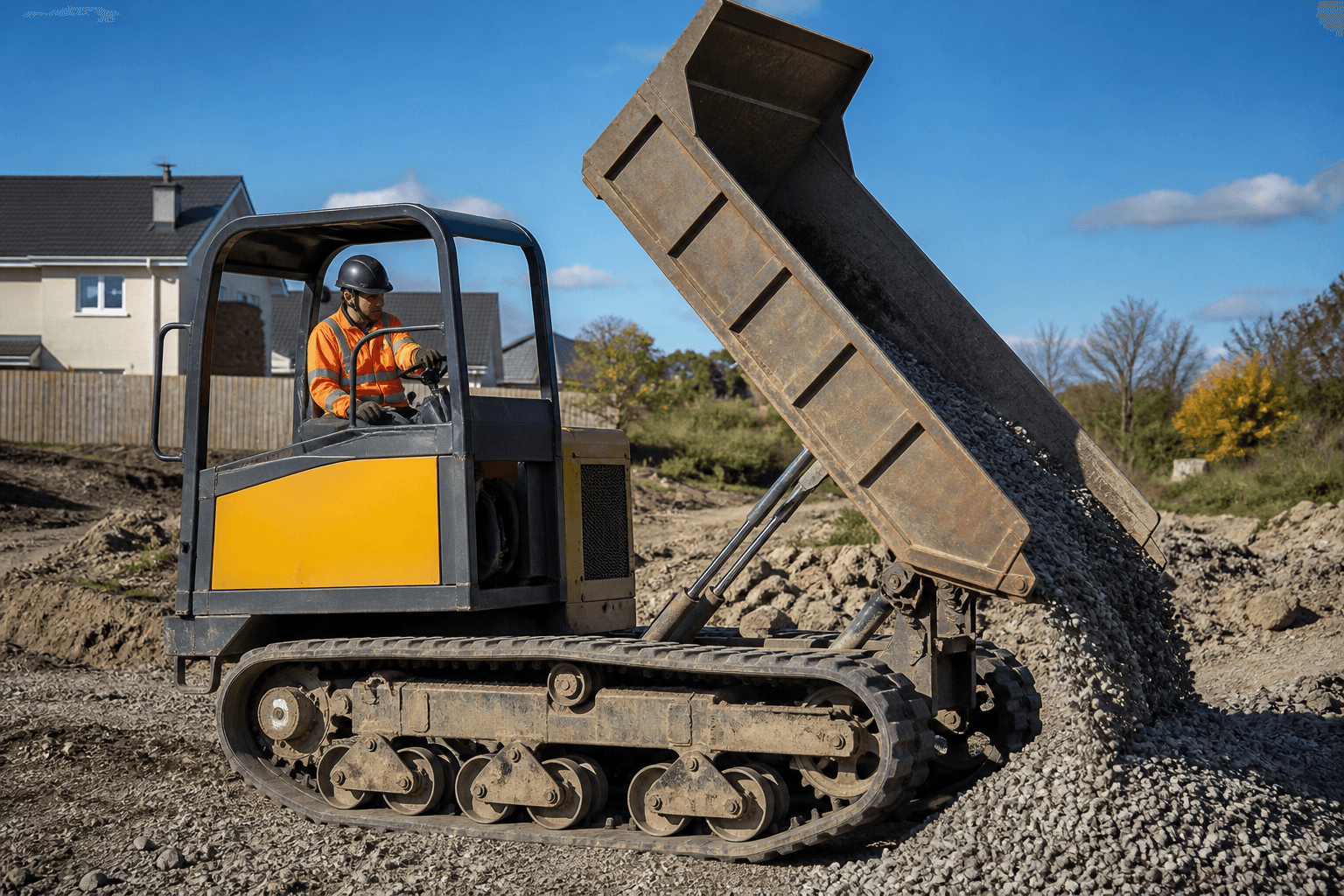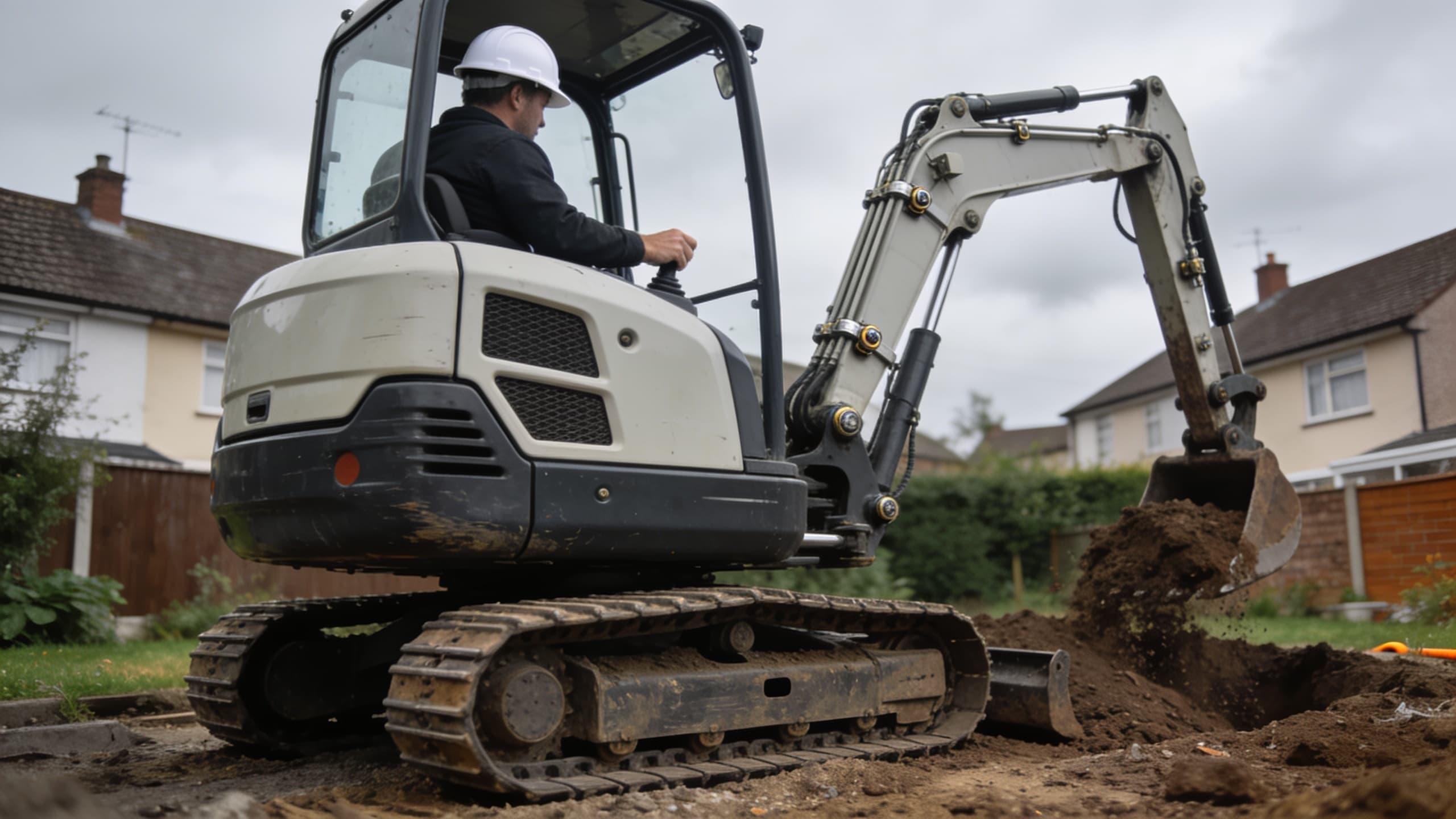

Most hire companies will hand over a mini digger, dumper, roller or telehandler without asking to see a card or licence - but that does not mean an operator is free to use the machine without the right qualifications. The rules depend on where the plant is being used and who is doing the work, so it pays to understand them before the machine arrives on site.
What the Law Actually Requires
The key piece of legislation is the Provision and Use of Work Equipment Regulations 1998, known as PUWER. The Health and Safety Executive (HSE) states that PUWER places duties on people and companies who own, operate or have control over work equipment, and also on businesses whose employees use work equipment, whether owned by them or not. Plant machinery - excavators, dumpers, telehandlers, rollers and similar machines - falls squarely within the definition of work equipment under PUWER.
Under PUWER, work equipment must be used only by people who have received adequate information, instruction and training. HSE guidance on training and competence further states that self-propelled work equipment should only be driven by workers who have received appropriate training in the safe driving of such equipment. Separately, section 2 of the Health and Safety at Work etc Act 1974 places a legal duty on every employer to ensure their employees are adequately trained for the work they carry out. HSE confirms this applies to plant operators in all industry sectors.
None of this legislation specifies CPCS or NPORS cards by name. What the law requires is that operators are competent - meaning they have the correct combination of training, experience, knowledge and practical ability. Cards are the most widely accepted way of demonstrating that competence on a construction site, but the underlying legal duty is competence itself.
Private Land vs Commercial Sites
Whether a card is required in practice depends on the setting.
Private domestic use: A homeowner hiring a mini digger to landscape a garden, dig drainage or prepare foundations on their own private land is not operating the machine as work equipment in the legal sense. No formal card or government-issued licence is required. The operator is still responsible for working safely, but PUWER's employer duties do not apply in the same way.
Commercial and construction sites: The position is very different. When plant is used on a construction or commercial site, PUWER applies in full. Most principal contractors require operators to hold a valid card from a recognised scheme - typically the Construction Plant Competence Scheme (CPCS) or the National Plant Operators Registration Scheme (NPORS) - for the specific machine category being operated. A card for one machine category does not automatically cover another: an excavator card does not cover a telehandler or a dumper. Operators and site managers should confirm the required scheme and category with the principal contractor before the hire begins.
Paid work on someone else's land: If an operator is being paid to use hired plant on another person's property, they are on commercial territory. PUWER applies, the employer's duty to ensure competence applies, and a recognised card becomes relevant.
CPCS and NPORS: What They Are
CPCS (Construction Plant Competence Scheme) is the most widely recognised card scheme for plant operators in UK construction. Each card is machine-specific and issued after theory testing, health and safety assessment and practical evaluation. NPORS (National Plant Operators Registration Scheme) is an alternative that is accepted on many, but not all, sites - some principal contractors specify CPCS only, so it is worth confirming which scheme a site accepts before booking training.
The Construction Plant-hire Association (CPA) publishes guidance on competence to operate construction plant, setting out how PUWER and related legislation apply in practice across the hire sector.
Under both schemes, a Trained Operator (red) card is typically valid for a limited period and requires the holder to progress to a Competent Operator (blue) card by achieving the relevant vocational qualification. Employers are entitled to require operators to be trained to whichever scheme they consider appropriate, provided that completing that training means operators are genuinely competent to use the plant in question.
What to Check Before Hiring
Use this checklist before collecting or taking delivery of hired plant:
- Confirm the setting. Is the work on private domestic land, or on a commercial or construction site? This determines whether PUWER's employer duties apply.
- Check the principal contractor's rules. Ask whether CPCS, NPORS or another scheme is required, and whether the specific machine category is covered by any existing card.
- Verify the card is current. Cards have expiry dates. Check the card is valid for the machine type before work starts.
- Get a site induction. A card does not remove the need for a site induction, authorisation or familiarisation with the particular machine on that site.
- Check road movement. If the plant needs to travel on a public road, the operator requires a valid driving licence with the appropriate category, and the machine must comply with road traffic legislation.
- Confirm insurance. Check that the hire agreement and any site insurance cover the intended use. See the GetBrent article on plant hire insurance for guidance on what policies to look for.
When Hiring With an Operator
One straightforward way to sidestep the card question is to hire plant with an operator included. The hire company or contractor supplies a fully trained and competent operator alongside the machine. This is common for telehandlers and larger excavators on commercial projects, and it transfers the competence responsibility to the supplying company rather than leaving it with the hirer. Browse plant hire listings on GetBrent to find companies that offer both self-drive and operated hire options, and compare what each local firm includes.
If a project is in or near the capital, plant hire in London covers a wide range of machine types and operators, with firms serving both domestic and commercial customers across the region.
Find Local Plant Hire Companies on GetBrent
GetBrent brings together plant hire companies and plant dealers from across the UK so you can compare local firms, the machines they offer and the terms they set - including whether they supply an operator. Whether the job is a garden excavation or a full groundworks contract, use GetBrent to contact companies directly and confirm what cards, qualifications or site requirements apply before the hire begins. Firms serving south London, for example, can be found via plant hire in Mitcham and the surrounding area.
Now let me compile the full output in the exact required format: --- QUESTION: Do you need a CPCS or NPORS card to hire plant UK? SOURCES: https://www.hse.gov.uk/work-equipment-machinery/puwer.htm https://www.hse.gov.uk/work-equipment-machinery/training-competence.htm https://www.hse.gov.uk/waste/training.htm https://cpa.uk.net/wp-content/uploads/2025/04/SFPSG-Competence-to-operate-construction-plant-141107-1-1.pdf TITLE: Do You Need a Card to Operate Hired Plant? ANSWER: Most hire companies will hand over a mini digger, dumper or telehandler without asking for a card - but that does not mean operators are free to use it without qualification. On a commercial or construction site, the Provision and Use of Work Equipment Regulations 1998 (PUWER) requires operators to be demonstrably competent, and most principal contractors require a valid CPCS or NPORS card for the specific machine category. On private land for domestic use, no formal card is legally required, though the operator remains responsible for working safely. META: Understand when a CPCS or NPORS card is required to operate hired plant in the UK, what PUWER means for site workers and domestic hirers, and what to check before the machine arrives. ---Most hire companies will hand over a mini digger, dumper, roller or telehandler without asking to see a card or licence - but that does not mean an operator is free to use the machine without the right qualifications. The rules depend on where the plant is being used and who is doing the work, so it pays to understand them before the machine arrives on site.
What the Law Actually Requires
The key piece of legislation is the Provision and Use of Work Equipment Regulations 1998, known as PUWER. The Health and Safety Executive (HSE) states that PUWER places duties on people and companies who own, operate or have control over work equipment, and also on businesses whose employees use work equipment, whether owned by them or not. Plant machinery - excavators, dumpers, telehandlers, rollers and similar machines - falls squarely within the definition of work equipment under PUWER.
Under PUWER, work equipment must be used only by people who have received adequate information, instruction and training. HSE guidance on training and competence further states that self-propelled work equipment should only be driven by workers who have received appropriate training in the safe driving of such equipment. Separately, section 2 of the Health and Safety at Work etc Act 1974 places a legal duty on every employer to ensure their employees are adequately trained for the work they carry out. HSE confirms this duty applies to plant operators across all industry sectors.
None of this legislation names CPCS or NPORS cards specifically. What the law requires is that operators are competent - meaning they have the correct combination of training, experience, knowledge and practical ability. Cards are the most widely accepted way of demonstrating that competence on a construction site, but the underlying legal duty is competence itself, not possession of any particular card.
Private Land vs Commercial Sites
Whether a card is required in practice depends on the setting.
Private domestic use: A homeowner hiring a mini digger to landscape a garden, dig drainage or prepare foundations on their own private land is not operating the machine as work equipment in the legal sense. No formal card or government-issued licence is required. The operator is still responsible for working safely, but PUWER's employer duties do not apply in the same way to a private individual carrying out domestic work.
Commercial and construction sites: The position is very different. When plant is used on a commercial or construction site, PUWER applies in full. Most principal contractors require operators to hold a valid card from a recognised scheme - typically CPCS or NPORS - for the specific machine category being operated. A card for one machine type does not automatically cover another: an excavator card does not cover a telehandler or a dumper. Operators and site managers should confirm the required scheme and machine category with the principal contractor before the hire begins.
Paid work on someone else's land: If an operator is being paid to use hired plant on another person's property, they are working commercially. PUWER applies, the employer duty to ensure competence applies, and a recognised card becomes directly relevant.
CPCS and NPORS: What They Are
CPCS (Construction Plant Competence Scheme) is the most widely recognised card scheme for plant operators in UK construction. Each card is machine-specific and is issued after theory testing, a health and safety assessment and a practical evaluation. NPORS (National Plant Operators Registration Scheme) is an alternative that is accepted on many, but not all, sites. Some principal contractors specify CPCS only, so it is worth confirming which scheme a particular site accepts before booking training.
The Construction Plant-hire Association (CPA) publishes guidance on competence to operate construction plant, setting out how PUWER and related legislation apply in practice across the hire sector. HSE guidance notes that there are many different card schemes in operation, and employers should satisfy themselves that training under the scheme they accept means operators are genuinely competent to use each piece of equipment they will operate.
Under both CPCS and NPORS, a Trained Operator card is valid for a limited period and requires the holder to progress to a Competent Operator card by achieving the relevant vocational qualification. Employers are entitled to require operators to hold whichever scheme they consider appropriate, provided the training genuinely demonstrates competence for the plant being used.
What to Check Before Hiring
Run through this checklist before collecting or taking delivery of hired plant:
- Confirm the setting. Is the work on private domestic land, or on a commercial or construction site? This determines whether PUWER employer duties apply in full.
- Check the principal contractor's rules. Ask whether CPCS, NPORS or another scheme is required, and whether any existing card covers the specific machine category being hired.
- Verify the card is current. Cards have expiry dates. Confirm the card is valid and covers the right machine type before work starts.
- Arrange a site induction. A card does not remove the need for a site induction, site authorisation or familiarisation with that particular machine on that specific site.
- Check road movement rules. If the plant needs to travel on a public road, the operator requires a valid driving licence with the appropriate category, and the machine must comply with road traffic legislation.
- Confirm insurance cover. Check that the hire agreement and any site insurance cover
Sources