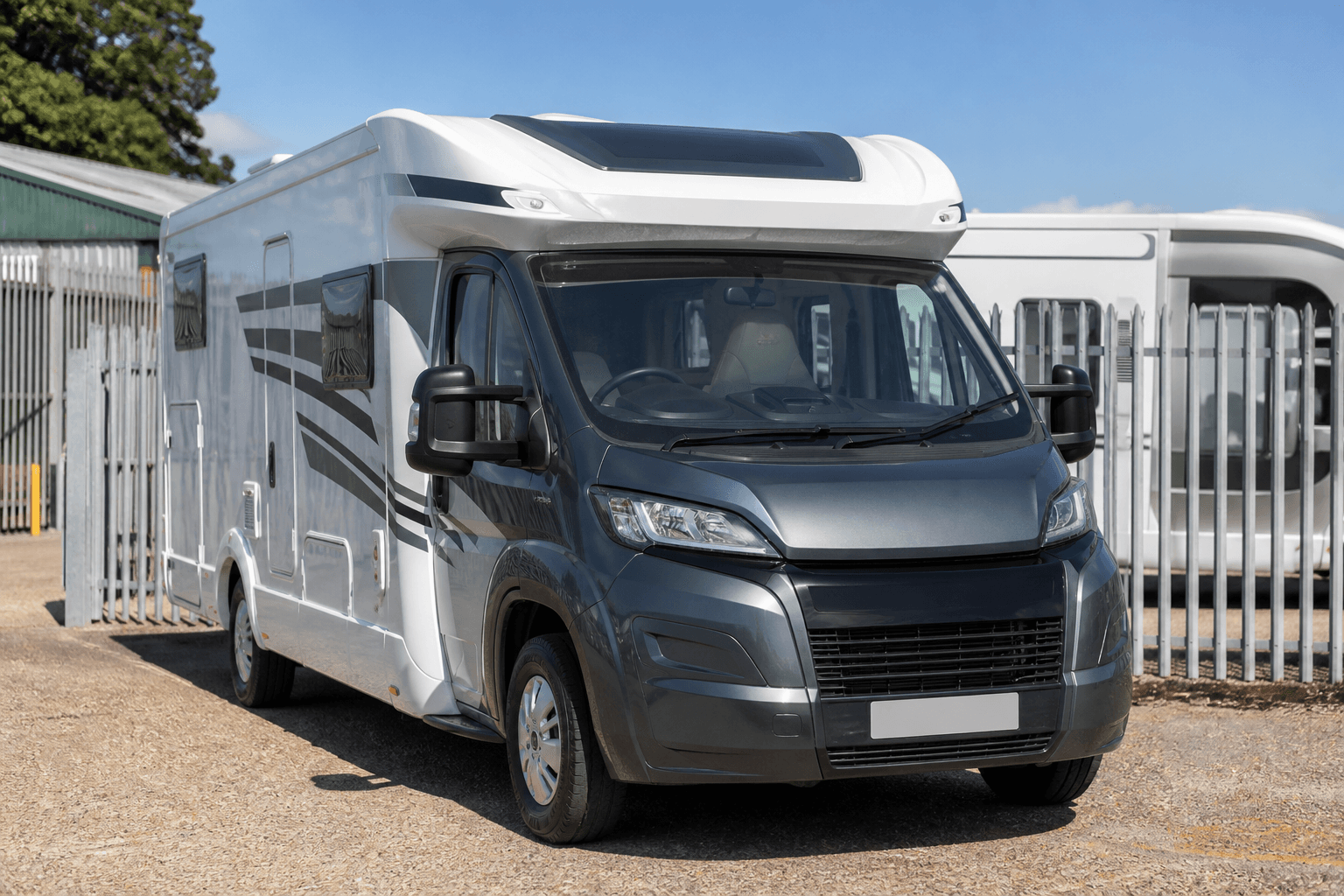
Motorhome storage means more than simply finding a convenient place to park up between trips. Because a motorhome is a registered motor vehicle under UK law, it carries ongoing legal obligations whether it is on the road or sitting idle for months at a time. Getting the storage decision right protects the vehicle, keeps the owner on the right side of the law, and can influence the terms of the insurance policy.
Your Legal Obligations When a Motorhome Is Off the Road
Unlike a touring caravan, which is towed and not self-propelled, a motorhome is treated exactly like a car or van in the eyes of the DVLA. It holds a V5C registration certificate and must either be taxed and insured for road use, or formally declared off the road.
Motor insurance: GOV.UK states that you must have motor insurance to drive your vehicle on UK roads, and that third party insurance is the legal minimum.
SORN: A SORN tells the DVLA that a vehicle is being kept off public roads; once confirmed, you will get a refund for any full months of remaining tax. Owners can apply online at gov.uk/make-a-sorn using the 11-digit number from the V5C or the 16-digit number from a V11 reminder; the application can be made by calling the DVLA on 0300 123 4321 or by sending a V890 form to DVLA, Swansea, SA99 1AR.
One important restriction applies: Once a SORN is in place, you cannot use the vehicle on the road until you tax it again.
MOT: GOV.UK confirms that a vehicle does not need an MOT until it reaches the age shown in the MOT fees table. Once that threshold is reached, a valid MOT is required before the vehicle can lawfully return to the road, regardless of how long it has been in storage.
Types of Motorhome Storage Available in the UK
There are three main approaches to storing a motorhome, each with different trade-offs on cost, convenience and security.
Home or Driveway Storage
A large vehicle on a driveway or verge can occasionally raise questions with a local council or neighbours, so it is worth checking there are no restrictions that apply to the property before committing to this long term. A hardstanding base helps protect tyres and undercarriage, and visible security devices such as a wheel clamp or hitch lock act as a deterrent as well as a practical barrier. Home storage keeps the vehicle close to hand but offers less security than a managed compound.
Dedicated Secure Storage Sites
A dedicated storage compound is generally more secure than home storage, and many sites carry CaSSOA accreditation.
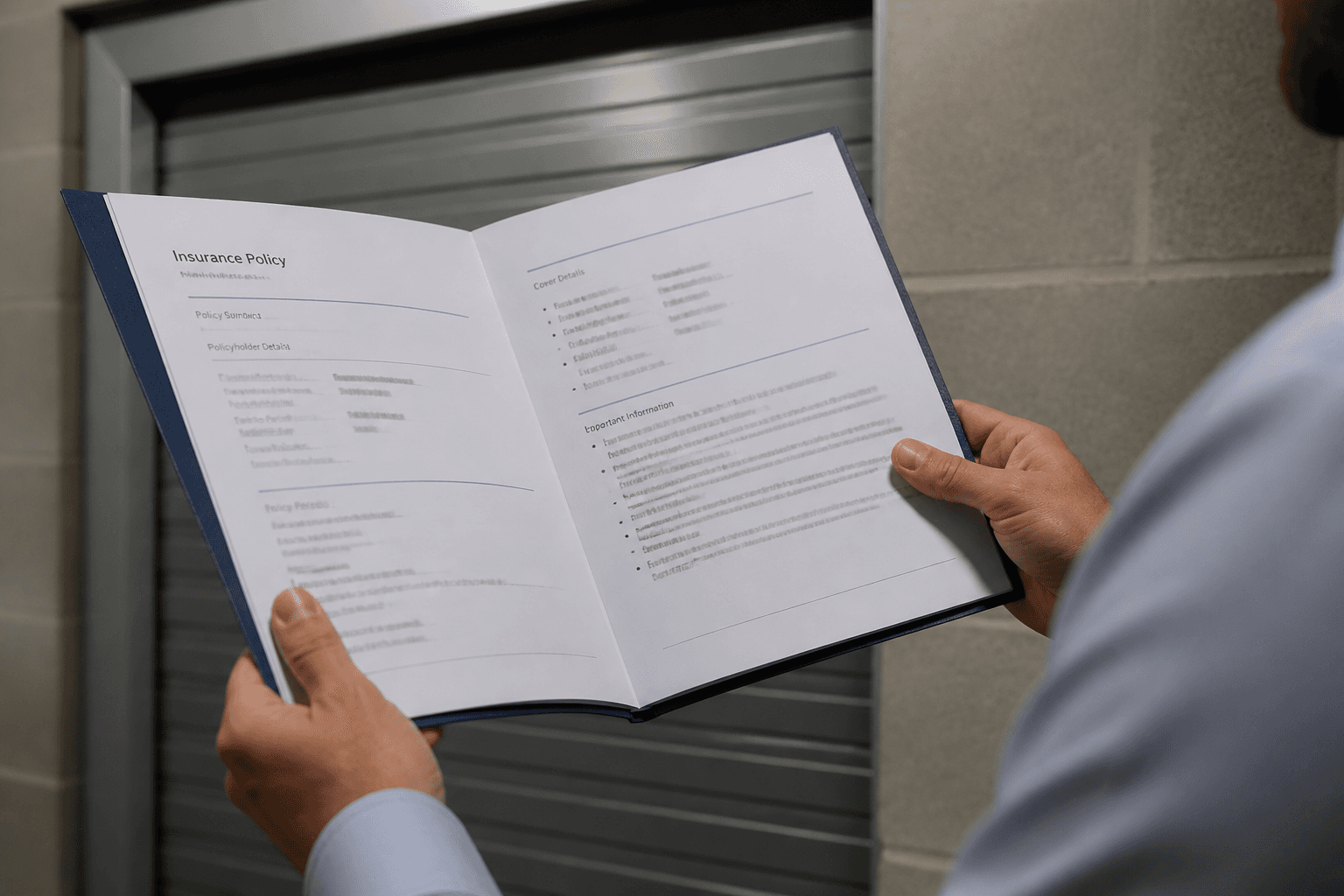
Depending on an insurance policy, the facility chosen may need to hold a particular level of CaSSOA rating. Always check the policy wording before selecting a site, and confirm the site's current rating directly with the operator.
If you are looking for rated sites near you, the storage listings on GetBrent cover facilities across the country, or you can browse more specific options such as caravan storage in Chichester or caravan storage in Peterborough.
Private Land and Other Sites
Other options include storing on private land with the landowner's permission, such as on a farm or industrial site. Security arrangements on such sites vary widely, so it is worth visiting in person before agreeing terms and checking whether the insurer accepts that type of location.
Preparing a Motorhome for Storage
Proper preparation before a long storage period reduces the risk of returning to a vehicle in poor condition. The following checklist covers the most practical steps.
- SORN and paperwork: If the motorhome will not be on the road, notify the DVLA via a SORN before the current vehicle tax expires.
- Insurance review: Speak to the insurer about laid-up or storage cover; the terms and any requirement for a minimum CaSSOA rating should be confirmed in writing.
- Fluid and fuel checks: A full fuel tank reduces condensation inside the system; engine coolant and brake fluid levels should be checked before laying up.
- Tyres: Over-inflation to compensate for slow deflation during storage, or using axle stands, reduces flat-spotting on tyres left stationary for months.
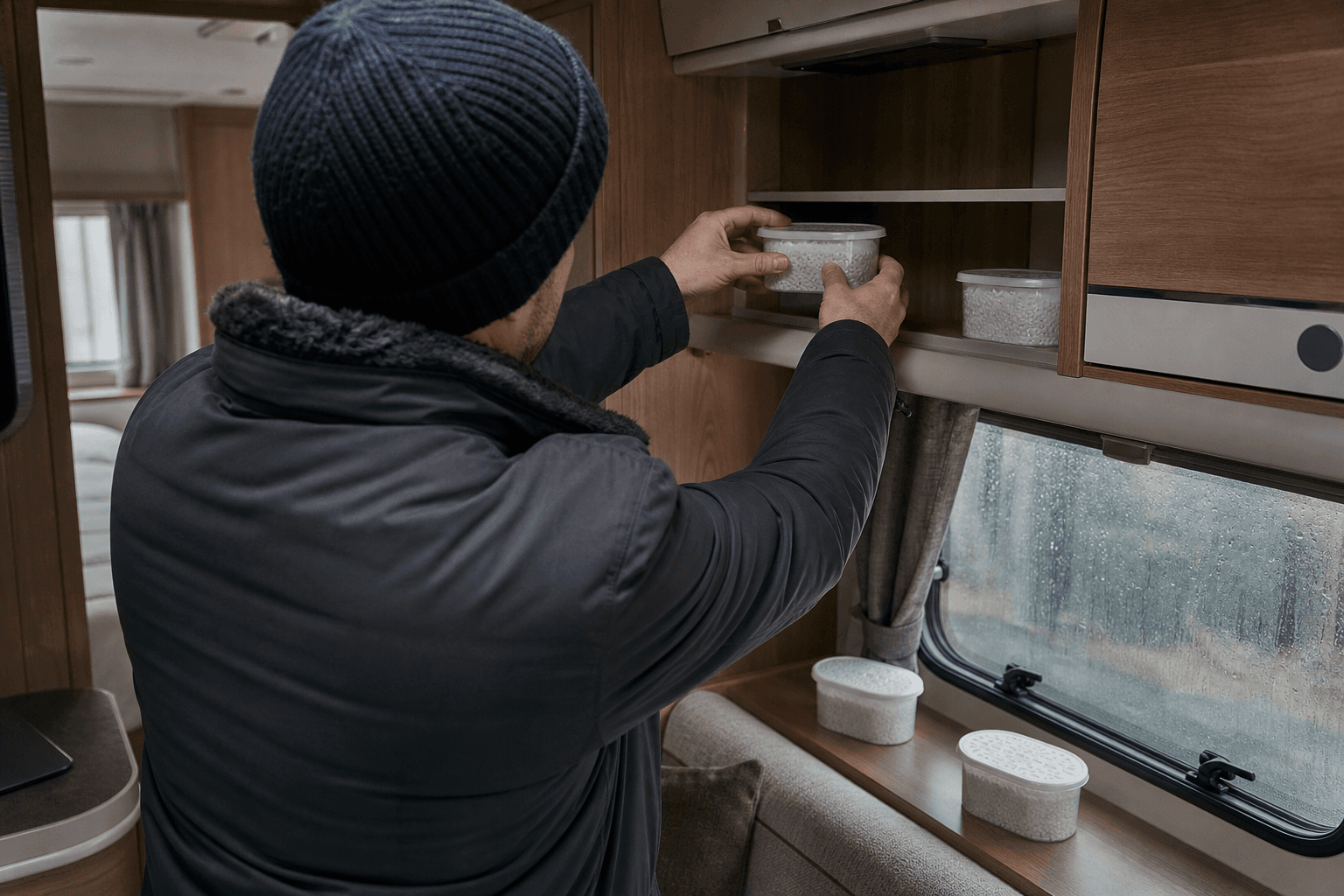
- Damp prevention: Ventilating the interior and removing all food and soft furnishings helps prevent mould during extended periods off the road.
- Battery maintenance: A trickle charger or battery conditioner keeps the leisure and starter batteries in serviceable condition.
- Security devices: Fit a wheel clamp, hitch lock or steering wheel lock regardless of the storage location.
- MOT diary: Note the MOT expiry date. A motorhome cannot legally return to the road without a valid certificate, so book in advance of the expiry.
Choosing a Storage Site: What to Ask
Not all storage sites offer the same level of service, and the right questions asked before signing up can prevent problems later.
- Is the site CaSSOA accredited, and at what tier? Ask to see the current certificate.
- Is access available outside office hours, and is prior notice required?
- Is the pitch hardstanding or grass? Grass can become waterlogged in winter.
- Are electricity hookup or water access points available for maintenance visits?
- What is the policy on gas cylinders? Before making any decisions about gas cylinders, check the rules at the storage site, as some venues will not allow cylinders to be stored with the vehicle and may require them to be kept in the open air.
- What are the contract terms? Check notice periods and liability clauses carefully.
As well as security, it is worth looking for storage sites that offer specific motorhome maintenance and service facilities, such as access to mains water, a hose, or a platformed area for repairs or roof washing, alongside amenities like wastewater disposal or electricity access.
Storage and Your Insurance Policy
Where and how a motorhome is stored can directly affect insurance premiums and the validity of a claim. Where and how a motorhome is stored affects more than convenience: it affects security, how quickly it deteriorates between trips, and what the owner pays for insurance. Always disclose the storage location honestly to the insurer and confirm whether a SORN has any bearing on the level of cover required. If the vehicle is moved to a new storage address at any point during the policy term, that change should be reported promptly.
Owners in East Anglia may find it useful to compare caravan storage options in Ipswich as a starting point for local sites, then contact each facility to confirm its CaSSOA status and current availability before committing.
GetBrent connects motorhome owners with local storage companies and related trades across the UK. Search the listings to find rated storage sites near you, compare what each facility offers, and contact providers directly to confirm availability, terms and any requirements your insurer may have.