Plant hire insurance is not one single legal requirement in the UK, but the cover you need depends on what you hire, who operates it and where it is used. Employers' liability is the one type that is compulsory for most businesses, while public liability, hired-in plant cover and damage waivers are the protections that fill the gaps left by a hire agreement. This article explains each one, and the rules apply across England, Scotland, Wales and Northern Ireland, unless stated otherwise.
What the law requires
The main statutory duty comes from the Employers' Liability (Compulsory Insurance) Act 1969. GOV.UK states that employers must get employers' liability insurance as soon as you become an employer, and that the cover must be at least £5 million from an authorised insurer. The Act applies to most employers in England, Scotland and Wales, while the Health and Safety Executive for Northern Ireland, HSENI, states that the law says you must have Employers' Liability Compulsory Insurance when you employ members of staff. Employers' liability covers claims by your own staff who are injured or made ill by their work, so it matters for any firm that sends its own people out with machines.
Public liability is different. Public liability covers claims from members of the public and other businesses, and it is generally voluntary. HSENI puts it this way: public liability insurance covers your liability to a person you do not employ, and the cover is voluntary, with you choosing the limit you need. Holding one policy does not satisfy the requirement for the other.
Employers' liability is not required if you only employ a close family member or someone based outside England, Scotland and Wales, and the HSE leaflet notes that sole traders with no employed hands do not need it. Full detail on the exemptions and on who counts as an employee is set out in our guide to what insurance you need when hiring plant in the UK.
Hired-in plant insurance and the hire agreement
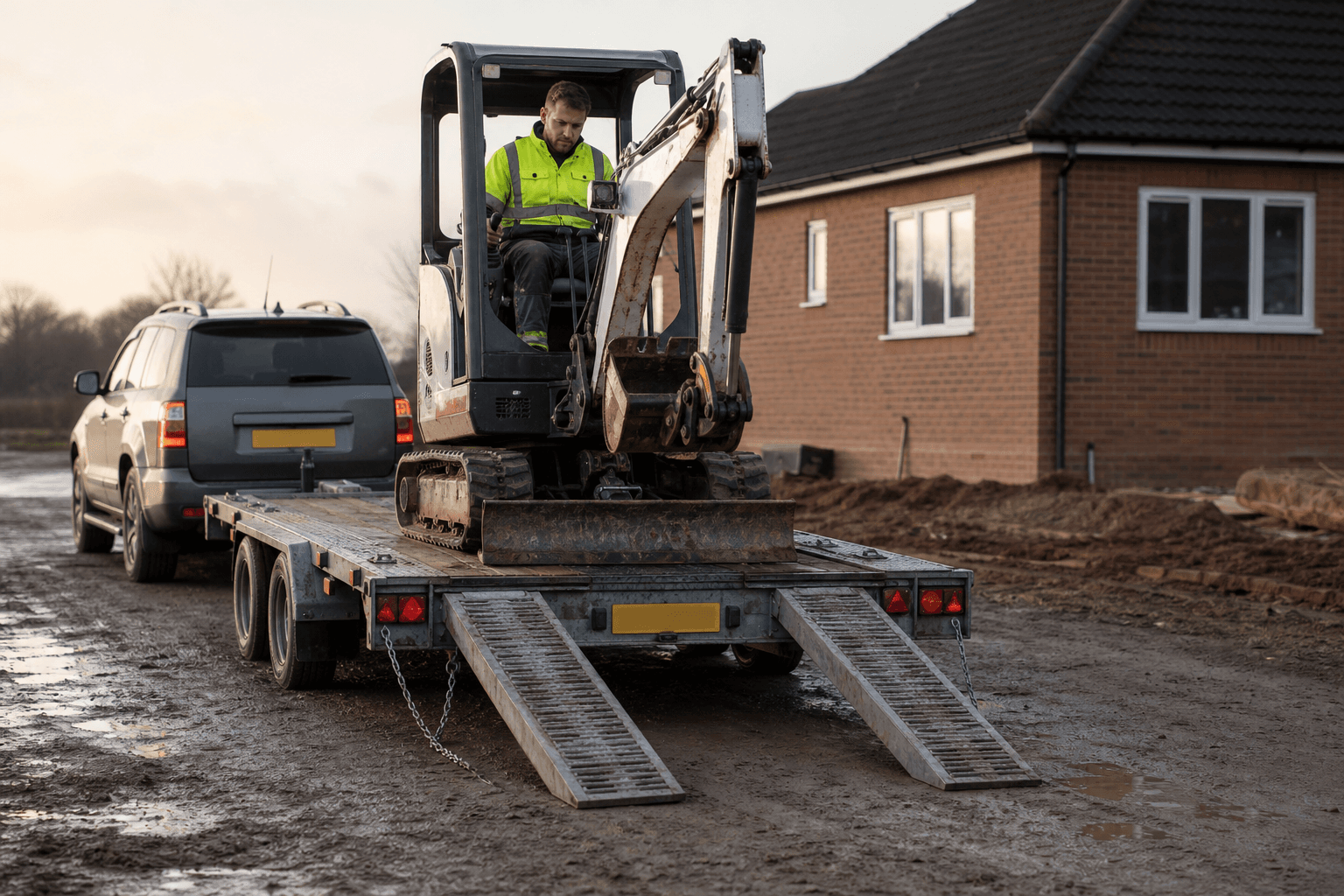
Most hire agreements move responsibility for the equipment onto the customer. It typically responds to loss of or damage to the plant while on hire and theft, and, where the wording provides it, continuing hire charges and the hirer's liability under the hire agreement. It usually excludes wear and tear and mechanical breakdown, and it can also exclude loss arising from the plant being operated by someone not competent to do so.
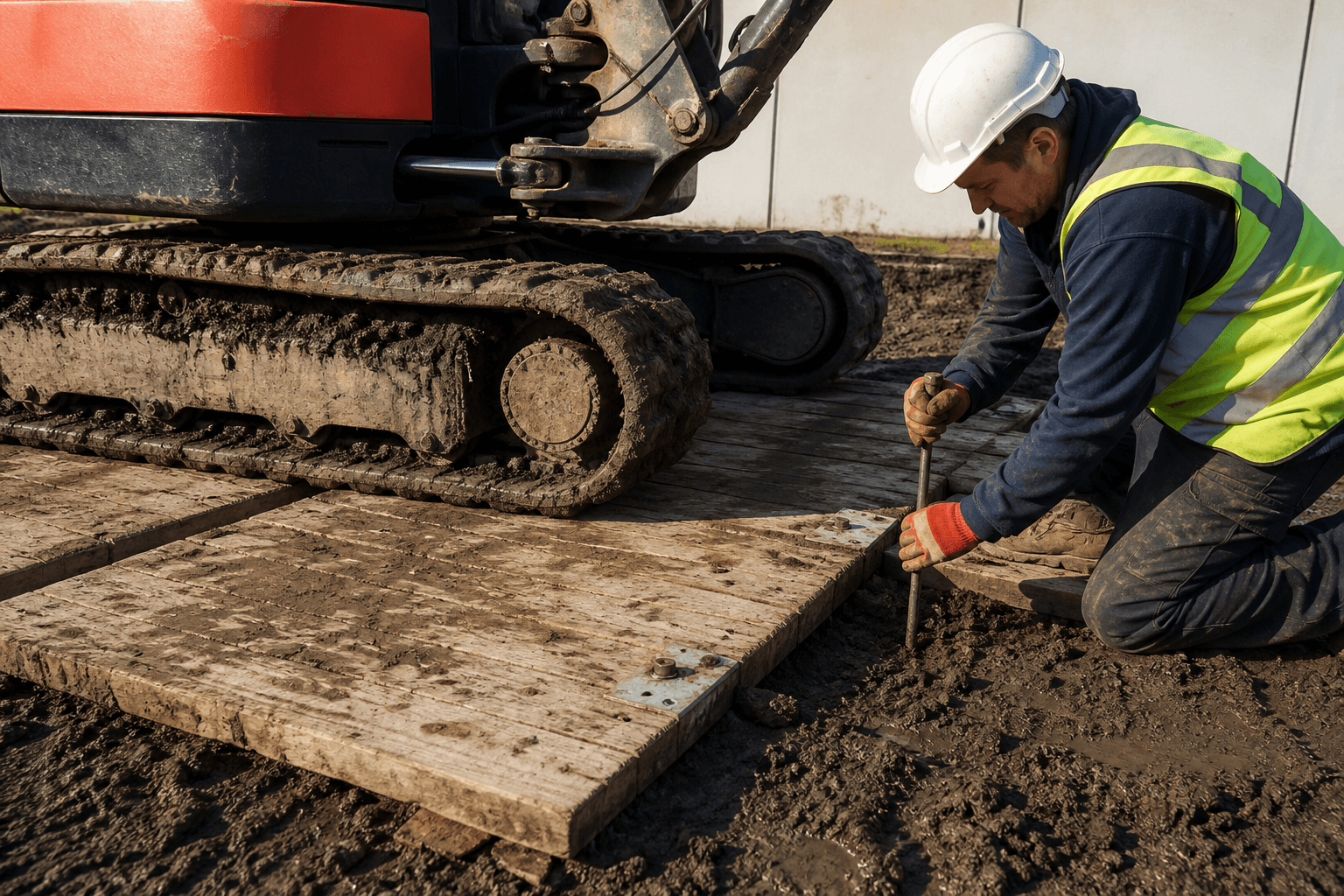
Read the agreement closely, because the terms vary. Under those terms, the hirer is often responsible for the safekeeping of the plant and for recovery from soft or unsuitable ground.
Damage waivers and excesses
A damage waiver usually means the hire company agrees to waive, or reduce, its right to charge you for damage to or loss of the equipment, as long as you follow the agreement. Many waivers still leave you with an excess. The excess is the amount you must pay for each incident before the waiver applies, and it is the figure most people overlook.
Consumer guidance is useful here even though it is written for car hire. It also warns that a waiver usually does not cover everything and will often exclude items such as tyres or glass. Plant hire damage terms work the same way, so check which parts of the machine are excluded. Our article on how damage waivers work sets out the main terms to compare.
Practical checklist before you sign
- Confirm who is responsible for the plant from the moment it leaves the depot, including transit.
- Find the excess for each incident and whether it applies to theft, fire and accidental damage.
- Check whether the damage waiver excludes tyres, tracks, glass, undercarriage or attachments.
- Ask whether continuing hire charges apply while a damaged machine is repaired, and for how long.
- Check that your public liability and employers' liability limits meet the contract and the hire company's requirements.
- Ask the company to put any verbal assurances in writing before the hire begins.
Health and safety duties that do not transfer
Insurance is not the only responsibility. These responsibilities include the maintenance of all work equipment and the inspection of equipment that may deteriorate. Hiring the equipment does not move that control off your books, so you still need suitable operators, pre-use checks and a risk assessment.
Costs and how to check them
The cost of insurance and hire depends on the value of the plant, the length of the hire, the excess you accept, the limits of cover you need, the operator arrangements and the depot. None of these figures can be stated generally, so confirm the exact premium, excess and hire charges with the insurer or the company you hire from.
When you are comparing options, look at the total exposure, not just the monthly figure. A cheaper hire with a high excess or a narrow waiver may cost more in the end. Our guide on what a tool hire damage waiver actually covers is a useful companion for smaller equipment.
If you are looking for a supplier, you can search plant hire companies across the UK, or narrow your search to plant hire in London, plant hire in Edgware or plant hire in Mitcham.
Finding the right hire company on GetBrent
GetBrent is a directory where you can find local plant hire companies and compare the cover and terms they offer. Before you commit, ask each company for a copy of its hire agreement, its excess schedule and its insurance requirements, and keep a written record of anything you agree. A short conversation at the start can prevent a costly dispute at the end of the hire.