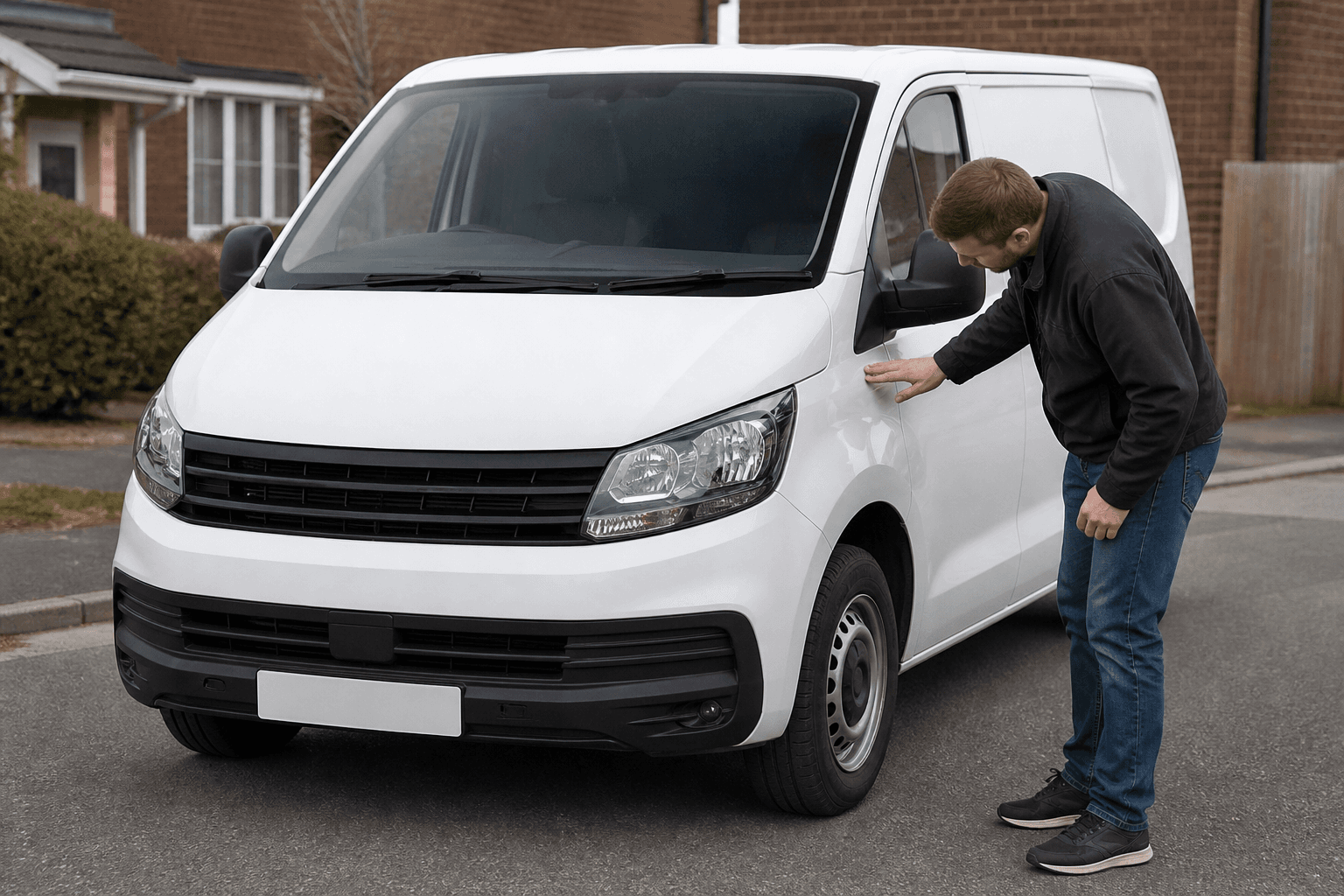
With a standard car driving licence (Category B) you can hire a van up to 3,500kg maximum authorised mass. The GOV.UK guidance on driving a van says that with a standard car driving licence you can drive a van up to 3,500kg, and a zero emission electric or hydrogen-powered van up to 4,250kg. Heavier hire vans need a different entitlement, and the category depends on the weight of the vehicle rather than whether it is a van or a lorry.
Category B: the standard car licence
Most hire vans sit within the car licence limit. With a standard car driving licence you can drive a van up to 3,500kg. If you passed your driving test after 1 January 1997, you can tow a trailer with your van, subject to the combined weight limits on the licence. The GOV.UK guidance adds that you may need extra tests before you can tow a trailer with your van, depending on when you passed your test.
Electric vans get a higher limit. The GOV.UK figure of 4,250kg applies to zero emission electric or hydrogen-powered vans, so a heavy electric van may be drivable on a car licence even where a diesel equivalent is not.
Category C1: vans between 3,500kg and 7,500kg
Larger hire vans, including many Luton box vans, need Category C1. C1 only lets you drive vehicles between 3,500 and 7,500kg MAM (with a trailer up to 750kg). Category C1 covers vehicles between 3,500kg and 7,500kg MAM.
Whether you hold C1 depends on when you passed your test. Drivers who passed their car test before 1 January 1997 usually hold it already; drivers who passed later may need extra tests before they can drive heavier vans. You can view your driving licence information on GOV.UK to check which vehicle types you can drive.
C1E and Category C
If the trailer you plan to tow is heavy, the category changes again. C1E lets you drive a C1 vehicle with a trailer over 750kg, and the combined weight of both cannot exceed 12,000kg. Category C lets you drive large goods vehicles over 3,500kg MAM (with a trailer up to 750kg). Category C is rarely needed for a standard hire van, but it applies to larger vehicles.
Checklist before you collect the van
- Check the weight. The van's maximum permitted weight when loaded is called the 'design gross weight', which you can find on the van's VIN plate. Compare this with 3,500kg.
- Check your categories. Use the GOV.UK view driving licence service and confirm that C1 appears if the van is over 3,500kg.
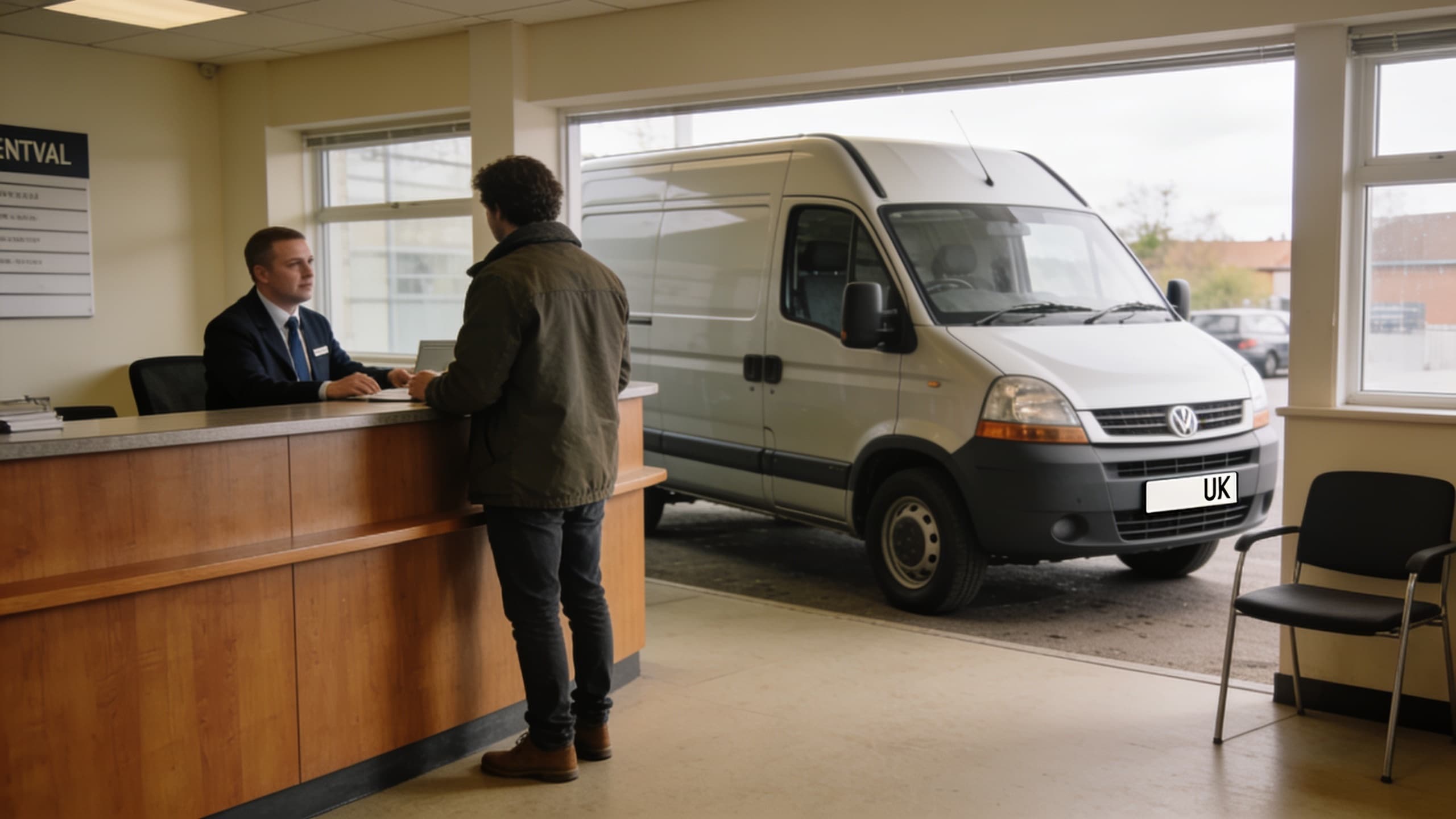
- Confirm the category with the firm. Ask the hire company which weight class the van is, and whether it needs a C1 holder to drive.
- Check the insurance. Make sure the hire agreement covers the driver, the weight and any trailer you plan to tow.
Note that heavier vans also change the speed limit. Vans have lower speed limits than cars: a van is limited to 50 mph on a single carriageway and 60 mph on a dual carriageway, and 70 mph on a motorway. Vans towing a trailer have lower limits again, so check the speed limits before a long journey.
Where to find a hire firm
Hire firms may set their own age and documentation policies on top of the licence rules. If you are hiring a standard van in a specific area, you can compare van hire in London and check how each firm treats licence categories before you travel. If you need a larger or specialist vehicle, the specialist vehicle hire category lists firms that handle heavier vehicles.
Always confirm the licence requirement with the hire company before you book, because a firm may refuse a van that the law allows if its own policy is stricter. Ask the firm which weight class the van falls into, and confirm the figure against the van's VIN plate.
GetBrent lists local van hire firms, specialist vehicle hire companies and vehicle dealers across the UK. Use the site to compare firms near you and contact them direct to confirm which licence category their vans need before you collect.